Today’s Theater Rooms Are More Than Just Movie Spaces
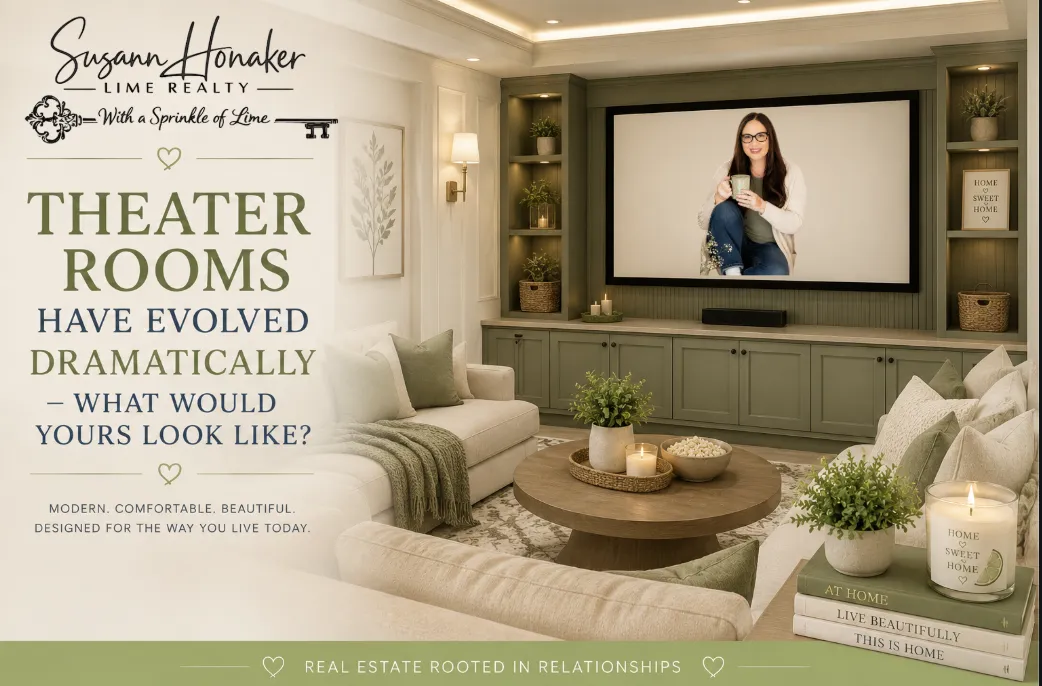
Theater Rooms Have Evolved Dramatically ~ What Would Yours Look Like?
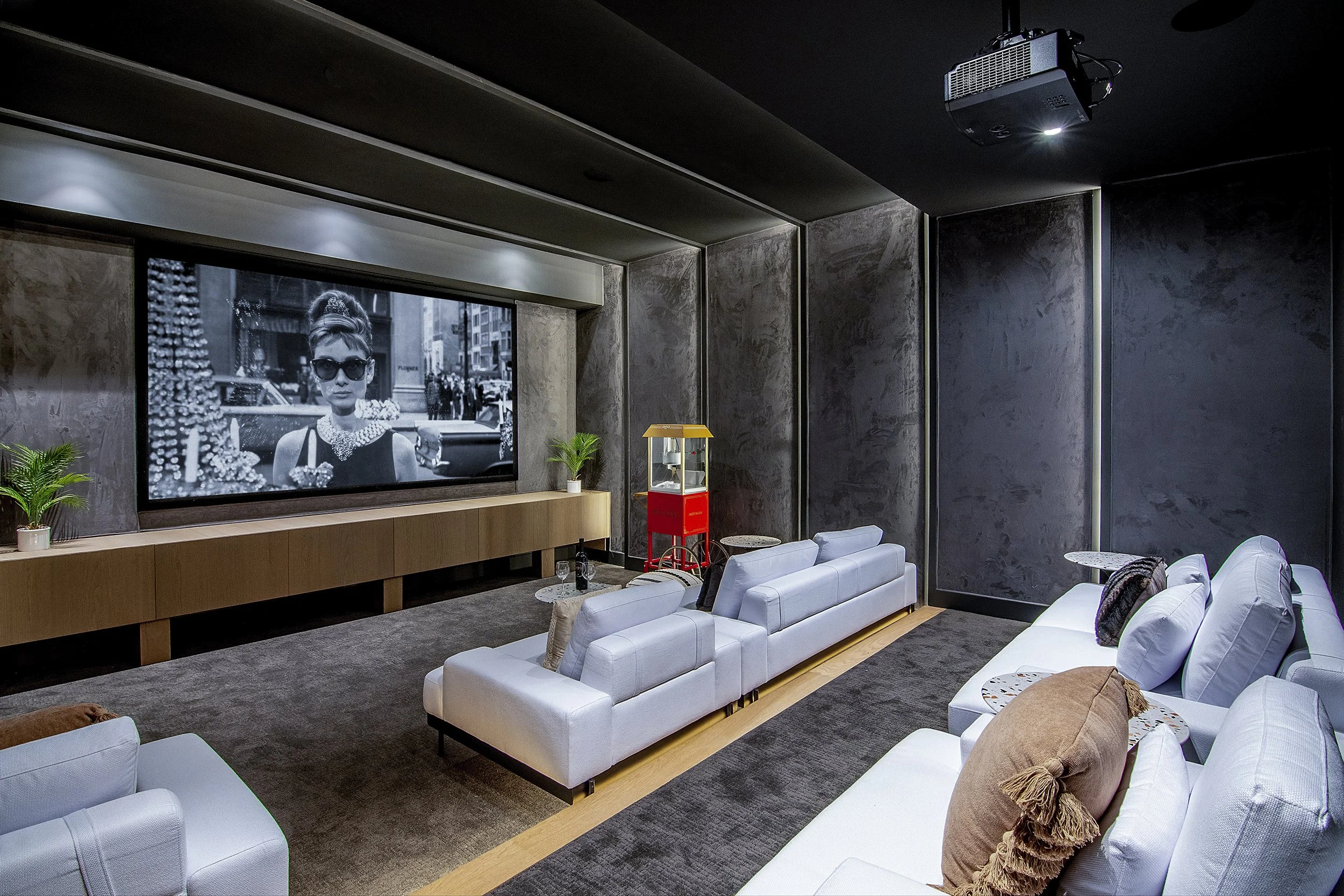
Not long ago, the idea of a “home theater” came with a very specific mental image: a dark, finished basement, a bulky projector mounted to the ceiling, tiered seating that looked more like a small lecture hall, and walls painted black or deep burgundy to control light. It was functional, yes, but rarely beautiful, flexible, or inviting for everyday life.
Today, theater rooms have evolved into something entirely different.
They are no longer hidden away.
They are no longer one-purpose rooms.
And they are no longer designed only for movie lovers.
Modern theater rooms, often called media rooms, entertainment rooms, or flex theaters, are integrated, intentional spaces that blend technology, design, comfort, and lifestyle. They reflect how families actually live now: streaming instead of DVDs, multi-use spaces instead of single-function rooms, and experiences over formality.
So the real question isn’t “Do you want a theater room?”
It’s “What would your theater room look like?”
Let’s explore how these spaces have evolved and the options you can choose to create one that fits your life.

From Basement Boxes to Center-Stage Living
The biggest shift in theater room design is location.
Yesterday: The Basement Theater
Traditionally, theaters were tucked into basements for practical reasons:
Fewer windows meant easier light control
Cooler temperatures for electronics
Space that wasn’t needed for daily living
But basements also came with limitations:
Isolation from the rest of the home
Lower ceilings
A “special occasion” feel instead of everyday use
Today: The Media Room Anywhere
Now, theater spaces appear:
Off the main living area
On the second floor near bedrooms
As part of open-concept living rooms
In bonus rooms or lofts
Even outdoors
Instead of hiding entertainment, modern homes celebrate it.
Your theater room can be:
A cozy family hub
A stylish entertaining space
A flexible room that adapts as life changes
Screen Choices: Bigger Isn’t the Only Goal Anymore
Once upon a time, the gold standard was simple: the bigger the screen, the better.
Today, the focus has shifted to clarity, placement, and experience.
Option 1: Large-Format TVs
Ultra-thin, high-resolution TVs have transformed the game.
75” to 100”+ screens are now common
Bright enough for rooms with windows
Crisp image even in daylight
Easy integration into cabinetry or accent walls
Perfect for:
Living room theaters
Multi-use family spaces
Homes with natural light
Option 2: Projectors (Reimagined)
Projectors haven’t disappeared, they’ve evolved.
Short-throw and ultra-short-throw models
Minimal ceiling hardware
Stunning 4K quality
Paired with sleek motorized screens
Ideal for:
Dedicated media rooms
Bonus rooms
Homeowners who love the cinematic feel
Option 3: Hybrid Flex Setup
Some homeowners combine both:
A TV for daily use
A drop-down projector screen for movie nights
This approach maximizes flexibility without sacrificing style.

Sound: The Quiet Power Behind the Experience
Sound used to mean visible speakers, wires, and bulky equipment. Now? It’s about immersion without intrusion.
Modern Audio Options
In-wall or in-ceiling speakers
Soundbars with surround-sound technology
Wireless subwoofers
Whole-home audio integration
You can tailor sound for:
Explosive movie nights
Soft background music
Gaming immersion
Sports broadcasts
The best part?
You don’t have to see most of it.
Seating Has Gone From “Movie Theater” to “Live-In Luxury”
Old theater seating was about rows and cup holders. Comfortable, yes, but not exactly inviting.
Today’s seating is designed for real living.
Popular Seating Choices
Deep sectionals with chaise lounges
Modular seating that can be rearranged
Reclining sofas with clean lines
Oversized chairs with ottomans
Built-in bench seating with storage
Comfort is no longer sacrificed for style or vice versa.
Ask yourself:
Will this room host movie nights, naps, and conversations?
Do you want everyone facing the screen or each other?
Is flexibility more important than formality?
Your answers shape everything.
Lighting: Mood, Function, and Control
Lighting might be the most underrated feature of modern theater rooms.
Instead of a single dimmer switch, today’s designs include layered lighting.
Lighting Options to Consider
Recessed ceiling lights on zones
LED accent strips behind screens or shelves
Wall sconces for ambiance
Smart lighting controlled by phone or voice
Blackout shades or light-filtering curtains
You can set scenes like:
“Movie Night”
“Game Day”
“Kids Cartoons”
“Entertaining”
One room. Multiple moods.
Design: Theater Rooms Are Now Part of the Home’s Aesthetic
One of the biggest evolutions?
Theater rooms are no longer visually separate from the rest of the home.
Design Trends Today
Neutral palettes instead of dark caves
Textured walls, wood slats, or acoustic panels
Built-in shelving and cabinetry
Statement ceilings
Art and décor that don’t scream “tech room”
Your media space can feel:
Cozy and layered
Modern and minimal
Warm and family-friendly
Elegant and elevated
Technology blends into design, not the other way around.
Multi-Purpose Is the New Standard
Very few homeowners want a room that’s used only on weekends.
Today’s theater rooms are:
Family rooms
Game rooms
Homework hubs
Entertaining spaces
Sports lounges
Smart Multi-Use Ideas
Storage built into seating
Furniture that moves easily
Screens positioned for visibility from multiple angles
Durable materials for kids and pets
Space for board games, consoles, or crafts
The best theater rooms work even when the screen is off.
Outdoor Theater Spaces: Entertainment Without Walls
One of the most exciting evolutions?
The rise of outdoor theater rooms.
Outdoor Theater Features
Weather-rated TVs or projectors
Retractable screens
Built-in speakers
Fire pits or outdoor fireplaces
Cozy sectional seating
String lights or lanterns
Perfect for:
Backyard movie nights
Sports watch parties
Family gatherings
Summer entertaining
Your “theater” doesn’t have to stop at the back door.

Smart Technology: Seamless, Not Complicated
Modern theater rooms benefit from simplified control.
Instead of multiple remotes:
One app
One voice command
One control panel
You can manage:
Screen
Sound
Lighting
Temperature
Shades
Technology should feel invisible and intuitive.
So, What Would Your Theater Room Look Like?
This is where it gets personal.
Would yours be:
A cozy upstairs media room for family movie nights?
A stylish living room setup that disappears into design?
A bonus room built for gaming and sports?
An outdoor retreat under the stars?
A flexible space that grows with your family?
Your theater room should reflect:
How you relax
How you gather
How you live
The evolution of theater rooms isn’t about bigger screens or louder sound, it’s about creating experiences that fit real life.
Final Thought
Homes are no longer just places to live, they’re places to connect, unwind, and make memories.
Modern theater rooms embody that shift. They’re not hidden. They’re not rigid. And they’re not one-size-fits-all.
They are intentional, adaptable, and personal.
So if you were designing yours today
✨ What would you choose?